A Guide to Website Maintenance & Support for Reliable Performance
%20(1).avif) Written by Derrick Kityo
Written by Derrick KityoDiscover the essentials of website maintenance & support. Our guide helps you protect your digital asset, boost performance, and avoid costly downtime.
Website maintenance and support is just a fancy way of saying we’re keeping an eye on your website. It’s the continuous process of monitoring, checking, and updating everything to make sure it runs smoothly, stays secure, and performs at its best. Think of it as the essential MOT and regular servicing for your most valuable digital asset—a proactive strategy to protect it from security threats, performance hiccups, and stale content that can really hurt your brand.
Why Your Website Is a Living Asset, Not a Static Brochure
So many businesses fall into the trap of treating their website like a printed brochure. They launch it and then... crickets. It's left to gather digital dust. This "set it and forget it" mindset is genuinely one of the most expensive mistakes you can make.
Your website isn't a static painting you hang on the wall. It’s more like a high-performance race car. It needs constant tuning, regular check-ups, and an expert crew in the pit lane to keep it ahead of the competition. Without that ongoing care, your digital engine will inevitably break down. Performance drops off, security holes appear, and the user experience tanks, all of which directly hits your bottom line.
The True Cost of Neglect
Letting your website’s health slide has real, tangible consequences that go way beyond a few broken links. A slow, unreliable, or insecure site is actively working against your business goals.
- It kills user trust. Studies have shown that 94% of first impressions are down to design, but it's the functionality that keeps people around. Broken forms, slow load times, and security warnings scream "unprofessional" and "untrustworthy."
- It wrecks your SEO. Search engines like Google reward sites that are fast, secure, and offer a great user experience. Neglecting maintenance almost always leads to slower speeds and technical glitches, which will send your search rankings into a nosedive.
- It opens the door to security risks. Outdated software and plugins are the number one way hackers get in. A single security breach can result in data theft, hefty financial penalties, and irreversible damage to your brand’s reputation.
A website is a dynamic tool that has to evolve with your business and the technology around it. Treating it as a one-and-done project is like buying a car and never changing the oil—it's not a question of if it will fail, but when .
Shifting to a Proactive Mindset
Viewing your website as a living asset means you see it for what it is: an active contributor to your business's growth. To do this properly, you need to understand and implement effective digital asset management best practices . This proactive approach means regular check-ups to ensure every single component is working perfectly.
The first step is usually a thorough evaluation. Our comprehensive website audit checklist is a great place to start, helping you pinpoint existing issues and see where your site needs immediate attention. This kind of strategic care isn't just a technical chore; it's a core business strategy that protects your brand, builds customer confidence, and fuels your growth.
The Core Pillars of Effective Website Maintenance
Good website maintenance isn't some vague, techy mystery. It’s a structured process built on three core pillars that work together to protect and grow your digital presence. I like to think of a website as a high-value commercial property; it needs regular attention to its security, performance, and structural integrity to hold its value.
If you let any one of these pillars crumble, your website becomes vulnerable. A site might be secure, but if it's painfully slow, customers will just leave. It might be lightning-fast, but if it’s riddled with broken links and old information, it looks unprofessional. Truly effective maintenance keeps all three areas in a continuous, proactive cycle.
Pillar 1: Security First
The first and most critical pillar is security. In today's world, where cyber threats are a constant reality, a reactive approach is just asking for trouble. Proactive security maintenance is like having a robust alarm system, reinforced locks, and a 24/7 security patrol for your digital storefront.
The main goal here is to build a digital fortress around your website. This isn't a one-time setup; it’s an ongoing process of vigilance. Key tasks include:
- Regular Software Updates: This is completely non-negotiable, especially for platforms with plugins or integrations. Developers are constantly releasing patches to fix vulnerabilities, and falling behind is like leaving your front door unlocked.
- Malware and Virus Scanning: Automated, regular scans act as your digital security guards, actively hunting for and neutralising threats before they can cause any real damage.
- Vulnerability Patching: Beyond just standard updates, a good maintenance partner will actively look for weak points in your site’s code or infrastructure and reinforce them.
Without this pillar, everything else is at risk. A single security breach can compromise customer data, obliterate your brand's reputation, and lead to some pretty hefty financial penalties.
Pillar 2: Peak Performance
Performance is the pillar that has a direct line to your user experience and, by extension, your conversion rates. A slow or unavailable website is the digital equivalent of a shop with its doors jammed shut. In fact, even a one-second delay in page load time can slash conversions by up to 7% .
This pillar is all about one thing: speed. A fast, responsive site keeps users engaged and signals to search engines that you offer a high-quality experience. The maintenance tasks here are all about optimisation and reliability.
A website's speed is no longer just a technical metric; it's a direct reflection of your brand's respect for its customers' time. A fast site says, "We value you," while a slow one says, "Wait for us."
Key performance tasks involve constant monitoring and fine-tuning. One of the best ways to get started is by performing a comprehensive website audit to pinpoint any bottlenecks. From there, your maintenance partner will zero in on uptime monitoring (to make sure your site is always online) and speed optimisation (to make every page load in a flash). To really get into the nuts and bolts of how this works, our guide on performance analysis provides a detailed look at the process.
Pillar 3: Content and Technical Integrity
The final pillar makes sure your website stays accurate, functional, and friendly to search engines. Content integrity is all about keeping the quality and reliability of the information you share with your audience top-notch. This keeps your brand credible and ensures a smooth user journey from start to finish.
This goes beyond just updating a few blog posts. It’s a full technical health check-up that prevents the slow decay that plagues so many unmaintained sites. The key tasks are:
- Fixing Broken Links: Regularly crawling the site to find and fix those frustrating 404 errors.
- Testing Forms and CTAs: Making sure every single contact form, button, and call-to-action works perfectly.
- Maintaining Technical SEO: Checking that sitemaps, robots.txt files, and schema markup are correct and up-to-date.
Together, these three pillars form the bedrock of professional website maintenance & support , transforming your site from a static liability into a resilient, high-performing asset.
Routine Care Versus Emergency Response
Great website support isn't a one-trick pony; it works on two completely different timelines. There's the steady, predictable rhythm of proactive care, and then there's the all-hands-on-deck sprint of an emergency.
I like to think of it like owning a classic car. Your routine care is the scheduled oil change, checking the tyre pressure, and the engine tune-up. These are the small, consistent jobs that stop you from breaking down on the M25. The emergency response? That’s the frantic call to the AA when smoke is pouring from under the bonnet.
One is all about prevention; the other is about recovery. A genuinely solid support plan doesn't just wait for things to go wrong. It puts most of its effort into making sure they never break in the first place, saving you the stress, lost revenue, and reputation damage that always come with a website meltdown.
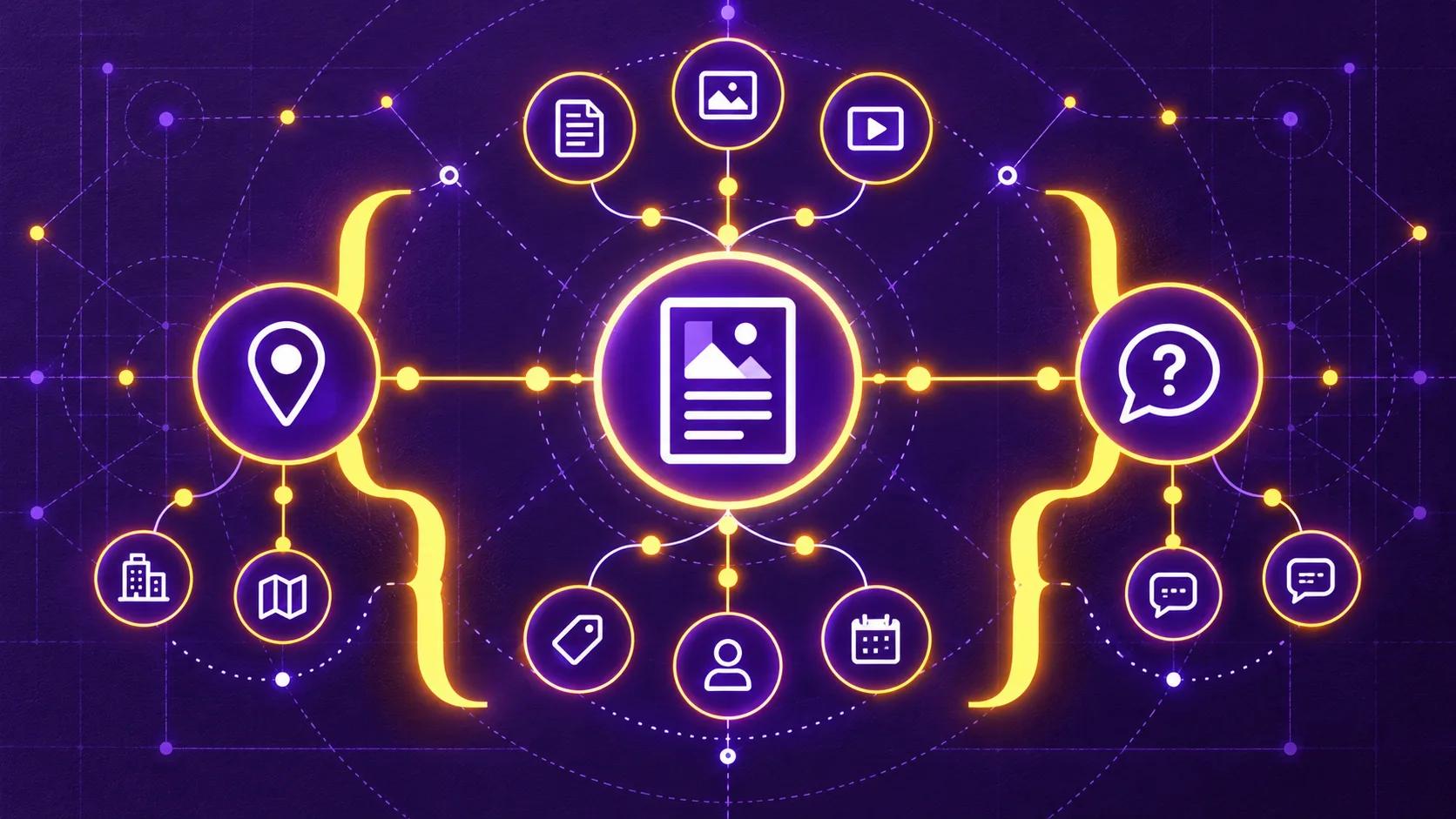
This simple process flow shows the core areas that consistent maintenance keeps an eye on to keep your site in good health.
As you can see, a disciplined cycle of security, performance, and content checks builds the foundation of a resilient website. It’s what stops minor glitches from spiralling into full-blown emergencies.
Routine Maintenance Schedule vs Emergency Response Protocol
To really grasp the difference, it helps to see the two approaches side-by-side. Routine maintenance is your scheduled, preventative health plan, driven by a calendar. An emergency protocol is a reactive, step-by-step crisis plan, triggered by a critical failure.
Here’s how the tasks and objectives stack up.
This table makes it crystal clear: a small, consistent investment in the "routine" column is the best insurance you can buy against the high-stakes panic of the "emergency" column.
The Nitty-Gritty: What's on the Checklists?
So, what does this look like in practice? A professional partner should be transparent about exactly what they're doing for you, week in, week out.
The Proactive Maintenance Checklist
Think of this as your website’s long-term health plan. It’s a recurring list of jobs designed to keep every part of your site running like clockwork, from security to the user experience.
Weekly Tasks (The Quick Pulse Check)
- Run Full Backups: This is non-negotiable. Complete, off-site backups of your entire site are your ultimate safety net if the worst happens.
- Check for Software Updates: Review any patches for your CMS, plugins, or third-party integrations. Always test them in a staging environment first!
- Monitor Uptime and Performance: Keep an eye on uptime reports and page speed metrics. You want to catch any dips in performance before your customers do.
- Scan for Malware: Run automated security scans to find and quarantine anything that looks suspicious.
Monthly Tasks (The Deeper Dive)
- Test All Forms: Manually go through and submit every single contact form, lead form, and checkout process. You'd be surprised how often these can silently fail.
- Fix Broken Links: Use a link checker to find and fix any broken internal or external links. They're bad for user experience and your SEO.
- Review Security Logs: Look for patterns of suspicious activity, like lots of failed login attempts or someone probing for weak spots.
- Optimise Your Database: For sites with a CMS, this means cleaning out old post revisions and spam comments to keep things running efficiently. In Webflow, this is more about auditing your CMS for unused items or bloated collections.
Proactive maintenance is a straight-up investment in stability. I tell my clients that every pound spent on routine checks can save them ten in emergency recovery costs, lost sales, and brand damage. It’s a no-brainer.
The Emergency Response Checklist
Even with the best care in the world, things can go wrong. A server can fail, a clever hack can slip through, or a critical integration can break. When crisis hits, you need a calm, clear plan. Panic leads to mistakes; a checklist ensures a measured, effective reaction.
This isn’t just a to-do list; it’s a protocol built to contain the damage, get you back online, and stop it from happening again.
Immediate Steps (The First 30 Minutes)
- Identify and Confirm the Issue: What’s actually happening? Is the site down? Defaced? Are forms broken? Check from your phone, your laptop, and a different network to be sure.
- Activate Your Support Partner: This is the priority. Contact your maintenance provider through their emergency channel with clear, simple details.
- Communicate Internally: Let the key people in your team (marketing, sales, leadership) know what's going on and that you're on it.
Recovery Phase (1-4 Hours)
- Isolate the Website: If you suspect a hack, the first step is to take the site offline with a maintenance page. This stops any further damage.
- Restore from Backup: Your support partner will deploy the most recent clean backup to a secure, separate environment for testing.
- Diagnose the Root Cause: While the backup is being prepped, the technical team needs to figure out what went wrong. Was it a bad bit of custom code? A server glitch?
- Patch and Secure: Before the restored site goes live again, you have to apply the fix to stop the same thing from happening again. We cover the exact protocols for these situations in our guide on emergency support for Webflow , which is a must-read for any business on the platform.
Post-Mortem Phase (After It's All Over)
- Document Everything: Write up a detailed incident report. What happened, what steps were taken to fix it, and what was the final resolution?
- Strengthen Defences: Based on what you learned, implement new security measures or update your maintenance routines to plug that gap for good.
Want to apply this to your own website or app?
Tell me what you are working on and where it is getting stuck. I will help you turn the useful ideas into shipped work.
How Much Does Website Maintenance Cost in the UK?
Figuring out a budget for your website's health shouldn't feel like a shot in the dark. If you're looking into professional website maintenance & support in the UK, you're probably wondering what a fair price even looks like. Let's pull back the curtain and get a clear, straightforward look at the costs.
It’s helpful to think of it less as a cost and more like an insurance policy. You pay a small, manageable amount each month to shield yourself from a disaster—like a nasty security breach or your entire site going down—which could cost you thousands in lost sales and frantic emergency repairs. The idea is to budget smart by understanding exactly what you're paying for.
Common Pricing Models Explained
Here in the UK, you'll generally come across a few different ways maintenance services are priced. Each one is built for different types of businesses, from those needing a bit of help now and then to companies looking for a full-on partnership. Knowing the difference helps you pick what's right for your budget.
- Pay-As-You-Go (PAYG) Hourly Rates: This is the most straightforward option. You simply pay an hourly rate for any work that gets done. It's a decent fit for businesses with very simple sites that only need the occasional small change or a one-off fix. The big downside? Costs can be unpredictable and can skyrocket if you run into an emergency.
- Monthly Retainers: This is the go-to model for most serious businesses. You pay a fixed fee every month for a set number of hours or a specific list of ongoing services. It gives you a predictable budget and, more importantly, a dedicated partner who really gets to know your site and actively keeps it healthy.
- Project-Based Pricing: Got a bigger, one-off job in mind? Things like adding a major new feature, a complete performance overhaul, or moving to a new platform will usually get a fixed quote for the whole project. This is separate from your day-to-day maintenance but is often handled by the same support partner you trust.
For the vast majority of businesses, a monthly retainer strikes the perfect balance between predictable costs and genuine peace of mind.
Investing in a monthly maintenance plan switches your website support from a reactive, unpredictable cost into a proactive, manageable investment. It’s all about preventing problems, not just fixing them after they happen.
Key Factors That Influence the Price
No two websites are the same, and neither are their maintenance costs. The price you'll end up paying is tied directly to how complex your site is and what it needs to run smoothly.
- Site Complexity: A simple five-page brochure site is a world away from a sprawling e-commerce platform juggling hundreds of products, customer accounts, and payment integrations. The more moving parts your site has, the more it will cost to maintain.
- Traffic Volume: Websites that get a lot of visitors need more powerful hosting, round-the-clock performance monitoring, and tougher security to handle the demand and keep user data safe. This all factors into the support cost.
- Specific Functionality: Do you have e-commerce, a members-only area, or custom links to third-party tools like a CRM or booking system? What about advanced animations? All these features add layers of complexity that need an expert eye.
Typical Cost Brackets in the UK
To help you budget, let's look at some real numbers. In the UK, the cost of proper website maintenance has been climbing, mostly because security and performance have become so critical. A recent analysis found that average monthly costs for basic maintenance went from about £70 in 2018 to an expected £102 by 2025—that's a jump of nearly 46% . Mid-range plans saw a similar rise from £167 to £232. This shows that proactive care is becoming a standard, necessary business expense. You can read the full research about these UK website cost trends for a deeper dive.
So, what can you expect to pay per month? Here’s a general breakdown:
- Basic Plan (£100 - £250 per month): A good fit for simple brochure or portfolio sites. This typically covers the absolute essentials like weekly backups, security scans, and software updates.
- Mid-Range Plan (£250 - £750 per month): Perfect for growing SMEs and marketing-focused websites. You get everything in the basic plan, plus performance monitoring, help with content updates, and a set number of support hours for small fixes.
- Comprehensive Plan (£750+ per month): Built for e-commerce stores and complex web applications. This is the all-inclusive option, offering advanced security, uptime monitoring, SEO health checks, and priority response for any emergencies.
The Real Risks of Neglecting Your Website
So, what's the worst that could happen if you put off your website maintenance? I get asked this a lot, and the answer is usually far more serious than a few broken links. Neglecting your site is like ignoring a slow puncture in your car's tyre; it feels minor at first, but it will eventually lead to a high-speed blowout at the worst possible moment.
Skipping routine care throws the door wide open to two major threats that can cripple a business overnight: devastating security breaches and a steady, relentless decay in performance. These aren’t abstract technical issues; they have a direct and measurable impact on your revenue, reputation, and customer trust. Proactive website maintenance & support isn’t a luxury—it's your first line of defence against these entirely preventable disasters.
The High Price of Poor Security
For hackers, an unmaintained website is an open invitation. Outdated software and unpatched vulnerabilities are the digital equivalent of leaving your front door unlocked with a sign that says, "valuables inside." The consequences of a breach go far beyond a temporarily offline website.
When hackers get in, they can steal sensitive customer data, install malicious software, or deface your site entirely, shattering your brand’s credibility in an instant. The financial fallout can be catastrophic. Security is a major expense in UK website maintenance, costing anywhere from £150 to £800 monthly simply because of the sheer volume of cyber threats. With over 50,000 UK sites attacked in one year alone , neglecting this is a high-stakes gamble. The consequences include severe UK GDPR fines, which can average £4.4 million for serious breaches. To understand the full scope of these costs, you can discover more insights about website maintenance expenses in the UK.
"A single security incident can undo years of brand-building. The cost of prevention is always a fraction of the cost of recovery, both financially and reputationally."
This makes proactive security, including firewalls and constant monitoring, essential. A staggering 43% of security breaches stem from unpatched software vulnerabilities—problems that routine maintenance would have caught and fixed long before a hacker could exploit them.
Performance Decay and Its Impact on Your Bottom Line
Even if you manage to dodge a security breach, neglect still takes a heavy toll. Website performance isn't static; it naturally degrades over time without regular tune-ups. Code gets bloated, images slow down load times, and integrations start to fail. This slow decay has a direct and devastating effect on your business goals.
Think about the user experience. A visitor who lands on a page that takes forever to load or encounters a broken contact form won't wait around. They'll just leave and go to a competitor. This isn't just a lost lead; it's a signal to search engines that your site provides a poor experience, causing your SEO rankings to plummet.
The financial impact is immediate and significant:
- Conversion Rates Plummet: Studies consistently show that even a one-second delay in page load time can slash conversions by 7% . For an e-commerce site, that's a direct hit to your daily sales.
- Downtime Costs Thousands: If your site goes down completely, the losses mount quickly. It’s estimated that unexpected downtime can cost a mid-sized UK firm as much as £12,000 per hour in lost revenue and productivity.
- Brand Erosion: A slow, buggy website makes your business look unprofessional and unreliable. Every 404 error and frozen loading spinner chips away at the trust you've worked so hard to build with your audience.
Ultimately, neglecting your website is an active choice to let your most valuable digital asset become a liability. Proactive maintenance is the only way to ensure it remains a powerful engine for growth.
How to Choose the Right Maintenance Partner
Finding the right expert to look after your website is as crucial as hiring a key team member. You’re not just looking for a coder to call when things go wrong; you’re looking for a partner who will treat your most important digital asset as their own.
A great partner doesn't just react to problems—they anticipate them, proactively safeguarding your site so you can focus on actually running your business. It's about finding that sweet spot of technical skill, rock-solid reliability, and clear communication.
Vetting Technical Expertise and Platform Specialisation
First things first, your potential partner needs to know your tech stack inside and out. A generalist might be okay for a simple brochure site, but if your business is built on a specific platform like Webflow , you absolutely need a specialist.
Don't be shy about asking direct questions. For a Webflow site, you’ll want to know about their experience managing complex CMS collections, optimising interactions, or hooking up third-party tools like Zapier or Make. A true specialist gets the nuances of the platform—both its incredible strengths and its occasional quirks.
A great maintenance partner doesn’t just know how to fix your website; they understand how to make it better. They should bring proactive suggestions to the table that align with your business goals, turning maintenance from a cost centre into a growth driver.
Evaluating Communication and Response Times
All the technical wizardry in the world is useless if you can't get hold of your partner when your site is down. Reliable communication is the foundation of any good maintenance relationship, so you need to get clarity on their process before signing anything.
This is exactly what a Service Level Agreement (SLA) is for. An SLA is your contract, the formal document that sets out expectations and guarantees, especially around response times. A vague promise to "be available" is a massive red flag.
To properly vet a provider, you need to ask these questions:
- What are your guaranteed response times? Get specifics for critical, high-priority, and low-priority issues.
- How do you handle out-of-hours emergencies? What's the protocol for a Saturday night outage? Is anyone actually on call?
- What does your reporting look like? A good partner will send you regular, easy-to-read reports detailing everything they've done, from security scans to performance tweaks.
- Can I see some client testimonials or case studies? Proof is everything. Look for reviews that talk about reliability, communication, and problem-solving.
By focusing on these areas—technical fit, clear communication, and proven reliability—you can forge a true partnership that doesn't just protect your digital presence but actively helps it grow.
Your Website Maintenance Questions Answered
When it comes to looking after your website, a lot of questions can pop up. Getting straight answers is the first step to making the right call for your business. Let's tackle some of the most common queries I hear from business owners.
Think of this as pulling back the curtain on professional website care. It’s about clearing up the confusion so you can feel confident about investing in your most important digital asset.
How Often Does My Website Need Maintenance?
For most businesses, a monthly check-in is the sweet spot. This hits all the essentials—security scans, full backups, software updates, and performance checks—without being over the top. It’s the perfect rhythm to keep your site secure and running like a well-oiled machine.
However, if you're running a high-traffic e-commerce store or a site that relies on tricky third-party integrations, stepping that up to weekly maintenance is a much smarter move. The more moving parts your site has, the more often it needs a professional pair of eyes to keep things running smoothly and prevent any costly downtime.
Can I Handle Website Maintenance Myself?
You can absolutely handle the basics, like publishing a new blog post or tweaking some text on a page. But proper, comprehensive website maintenance is a different beast entirely—it requires a much deeper technical skillset. Managing your content is one thing; managing the core health of your website is another.
Professional support dives into the critical stuff like security monitoring, server-level optimisations, and fixing complex bugs that are genuinely risky to tackle on your own. A DIY approach can easily create new security holes or break something important without you even realising it.
The best approach is often a hybrid one. You and your team can stay focused on creating brilliant content and running the business, while an expert partner like Derrick.dk handles the technical heavy lifting. This ensures your website remains a powerful, reliable, and secure tool that works for you, not against you.
What Should a Good Webflow Maintenance Plan Include?
A solid Webflow maintenance plan shouldn’t just rely on the platform’s built-in features. It needs to add crucial layers of external support and monitoring to give you complete peace of mind.
A great plan should always cover these key services:
- 24/7 Uptime Monitoring: You need to be the first to know if your site ever goes down, not the last.
- Daily Off-Site Backups: This goes beyond Webflow's versioning, giving you an independent safety net for your data.
- Performance Optimisation: Someone should be actively looking for speed bottlenecks and fixing them before they become a problem.
- Technical SEO Audits: Regular checks to make sure your site stays in Google's good books.
- Form and Integration Testing: A simple but vital check to confirm your contact forms and other lead capture tools are working perfectly.
The best partners also offer proactive advice on how to improve your site's user experience and conversion rates. That’s when maintenance stops being a cost and starts becoming a driver for real business growth.
Ready to put your website's health in expert hands? Derrick.dk offers specialised Webflow maintenance and support plans designed to keep your site fast, secure, and converting. Book a discovery call today to build a plan that fits your business goals.

.jpg)