Google shouldn’t get to decide what journalism is worth
 Written by Derrick Kityo
Google’s News AI pilot now covers more than 400 publications. Who gets in, who sets the price and what happens to the people outside the deal?
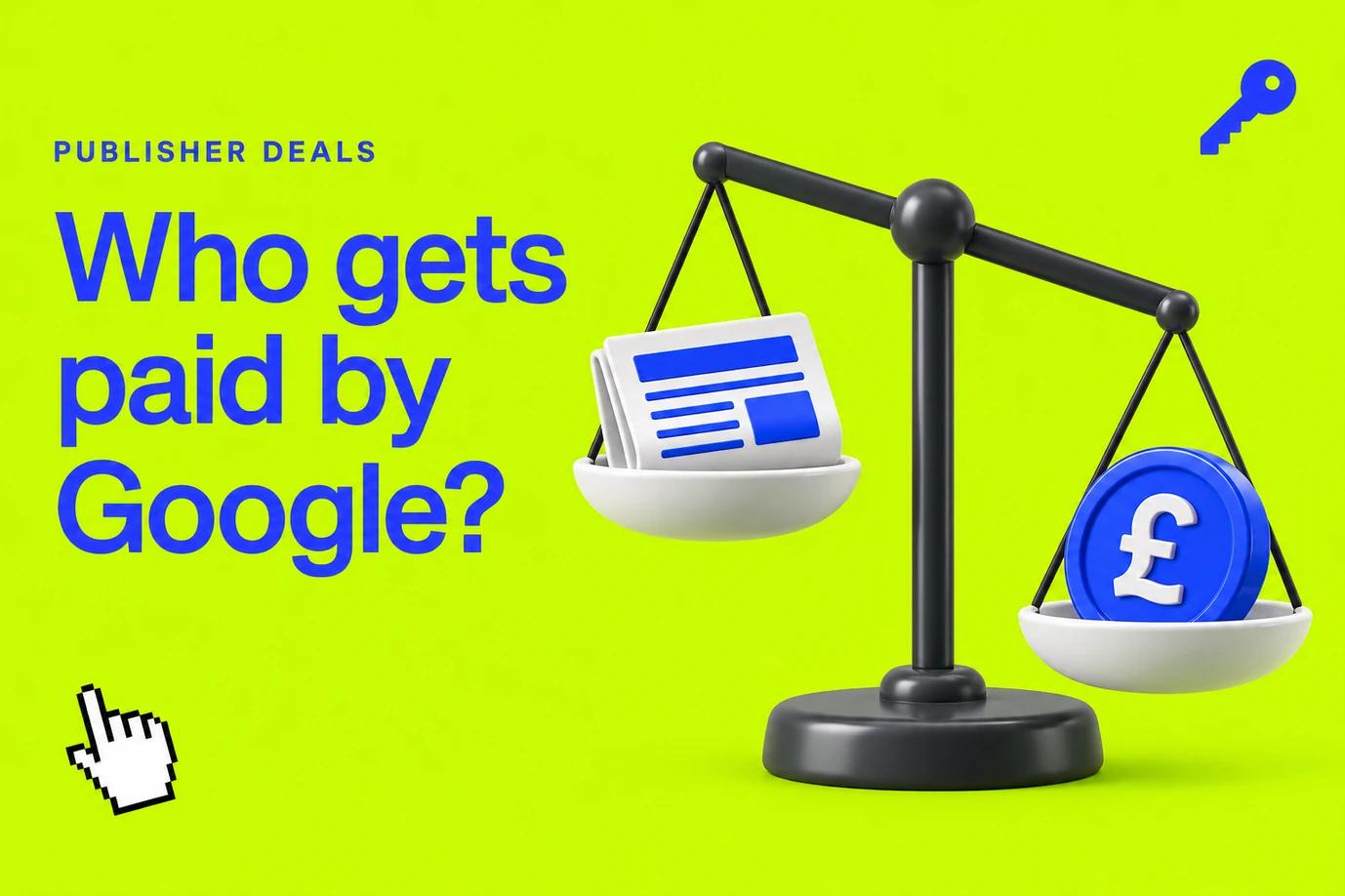
Google is paying more news publishers for their work. I’m glad they’re getting paid. I’m much less comfortable with Google helping to decide which journalism is worth paying for.
On 15 October 2026, Google said more than 400 publications were in its News AI pilot, including Forbes and Oil City News. It licenses content for features such as article overviews and audio briefings. That’s Google’s account of the programme.
The announcement doesn’t tell us the individual fees or contract terms. I can’t judge whether a particular publisher got a good deal from a list of names.
What I can question is the arrangement around those deals. Google runs the place where people look for information. It also builds answers from other people’s information and negotiates payments for some of that work. Publishers have to make a living inside that arrangement.
Who gets to set the price?
A newsroom has wages to pay while the platforms argue about the future of news. I wouldn’t tell an editor to turn down useful income to make a point on behalf of the internet.
But accepting a deal and being happy with the market are different things. A publisher can make a sensible decision for its own staff while the wider situation gets harder for everyone else.
That’s the part I think gets lost when a partnership announcement becomes the whole story. We hear who’s joined. We learn much less about how someone gets considered, what the work is valued against or what happens when the arrangement ends.
Google’s pilot includes local outlets, so this isn’t simply a list of the biggest national brands. Its announcement still leaves me wanting a clearer account of how publishers get in. Other Google licensing programmes exist too; absence from this particular list doesn’t prove an outlet receives nothing.
A healthy publishing market should give people several ways to reach readers and get paid. If an editor starts planning around being chosen by a platform, that platform has acquired a rather large say in the business.
A citation needs to earn its place in the accounts
There are real people trying to make this work. In Gretel Kahn’s October interviews for the Reuters Institute, Axios’s Ben Berkowitz described a bet on authority and reader relationships. He sees value in appearing in AI citations, alongside newsletters and other direct connections with audiences.
In the same report, The Athletic’s Shelby Blackley described the shortage of useful data about AI search. Those two positions can sit together. A newsroom may see a reason to be present while struggling to measure what that presence is doing.
In Google’s June policy statement, Markham Erickson argues that AI can help people discover publishers and build relationships with them. That’s a claim I’d like publishers to be able to test.
I’m wary of solving that difficulty by calling visibility the new success metric. A mention might help someone remember a publication. It might also give them enough information to leave without ever meeting the people who produced it.
Pew Research Center’s study of 900 US adults gives us a reason to ask harder questions. In its March 2025 browsing sample, a source link in an AI summary received a click in 1% of visits to pages containing a summary.
Those results describe that sample and period. They don’t tell us what Google’s October 2026 pilot will deliver, or prove how a particular newsroom’s income changed.
They do make me reluctant to accept a source link as adequate payment for the work underneath it. An editor needs to know whether it brings readers, subscriptions, licensing income or something else they can actually use.
Want to apply this to your own website or app?
Tell me what you are working on and where it is getting stuck. I will help you turn the useful ideas into shipped work.
Publishers should be able to check the working
The UK’s Competition and Markets Authority imposed a publisher conduct requirement on Google on 3 June 2026. It covers controls over generative AI use, information about that use, engagement metrics and attribution. The CMA’s published summary sets out those requirements.
That gives the conversation something firmer to stand on. A publisher should be able to understand where its work appears and see how people interact with it.
I’d want a licensing offer to be just as clear about what’s being bought. Which uses are covered? How long does permission last? What can the publisher withdraw, and what happens to content already supplied?
Those questions deserve plain answers before anyone celebrates the size of the partner list. So does the question of how a small publication can ask to participate without knowing somebody inside Google.
I’d also want publishers involved in deciding which measures count. If Google designs the experience, reports the numbers and defines success, the people doing the reporting have too little room to challenge the result.
The next useful story still needs a budget
I build websites and products, so I understand the appeal of a quicker answer. Removing a frustrating search can be useful. I also think product teams have to account for what keeps their sources alive.
A summary can be cheap to produce once somebody else has spent weeks finding out what happened. The expensive part comes before the answer exists.
That’s why I want a web where a new publication can find readers and support its work without first being invited into a platform’s commercial programme. Licensing can help pay for journalism. It shouldn’t become the admission process for having a viable publication.
Google can negotiate what it wants to buy. The rest of us should have a much louder say in whether the resulting web is worth having.
Tags
SEO & AI searchFrequently asked questions
What did Google announce about publisher payments in October 2026?
On 15 October, Google said more than 400 publications were participating in its News AI pilot. The programme pays participating publishers for licensed content used to develop features such as article overviews and audio briefings. The announcement doesn't disclose individual fees or contract terms.
Does that mean every publisher cited in an AI Overview gets paid?
No. The 400-publication figure refers to this particular News AI pilot. It doesn't establish a general payment policy for every website cited in AI Overviews, and it doesn't describe every other licensing arrangement Google has with publishers.
What has the UK CMA required Google to provide publishers?
The publisher conduct requirement imposed on 3 June 2026 covers effective controls over generative AI use, clear information about that use, engagement metrics and attribution. The CMA's summary describes those obligations. It doesn't set out a universal rate for licensing journalism.