Your healthtech website should answer the questions people bring to the demo
 Written by Derrick Kityo
A demo request works better when the reader understands the product. Show its workflow, the evidence behind claims and what each buyer can inspect next.
“Book a demo” is a reasonable next step when someone understands why the conversation is worth having. It’s less useful when the website has avoided explaining the product.
A clinical buyer may want to understand the workflow. An operations lead may be thinking about rollout. Someone in procurement may be gathering evidence before they involve anyone else.
I’d give those people enough public information to decide whether the product deserves a closer look. The website can prepare the conversation without trying to complete every part of a sale.
Show where the product fits
Start with what someone does before, during and after using it. Describe the input, the useful output and the person who checks or acts on that output.
A fictional documentation product might prepare a draft from an agreed input and leave a clinician responsible for reviewing it. Its website should explain that sequence clearly. Calling the whole process “automated documentation” could leave important responsibilities unclear.
Use the product’s real terminology where precision matters, then explain it. An animated interface can help show a sequence, but the explanation should still make sense without watching the animation.
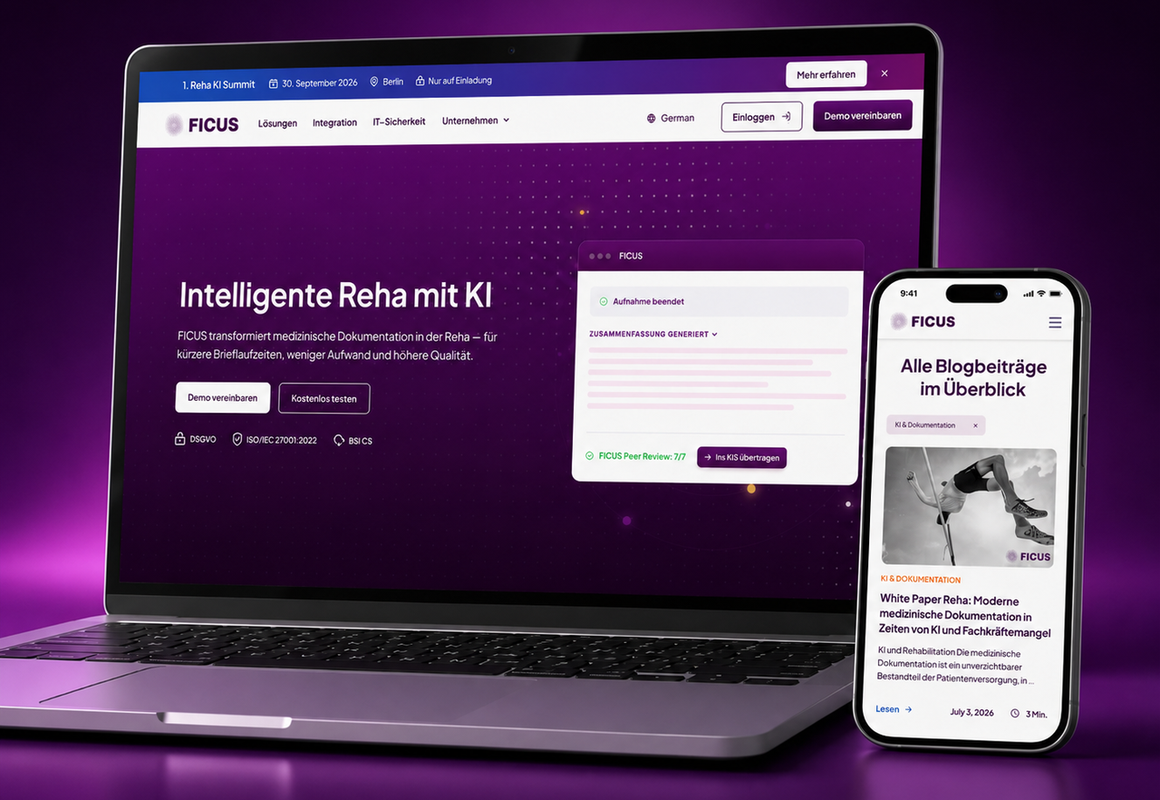
I built Ficus Health’s multilingual marketing website, bringing the public product story, page design and CMS together. Product and clinical reviewers remain responsible for the accuracy of the claims.
Give different questions somewhere useful to land
Avoid making several audience pages that repeat the same promise with a different job title. Identify the question that genuinely changes.
A product page can explain the core workflow. An implementation page can describe the steps the team is prepared to discuss. A public security overview can help the appropriate reviewer find the next source of information.
The point is to let someone follow their question. You don’t need a page for every possible role, especially if the answers would be identical.
For each page, agree what can be published and what needs a controlled conversation. Some supporting material may be confidential. Explain how an interested buyer can request it, who can respond and what information they should send.
Put a boundary around every impressive claim
An outcome needs context. Ask what was measured, who was involved, which version of the product was used and what the result actually supports. Keep that context close enough to the statement that a reader can find it.
If the evidence comes from a study, link to it where publication allows. If it comes from internal research, agree an accurate public account with the team responsible. If the result can’t be supported, change the statement before design makes it the centre of the page.
The CAP Code’s section on health-related marketing sets out the scrutiny given to relevant claims and the need for substantiation. The particular rules depend on the product and communication. Clinical and regulatory reviewers should determine the wording your product can support.
Customer names and logos need care too. A logo doesn’t explain what work happened or what the customer has agreed to endorse. A useful case study describes the actual scope, the source of any result and the limits of the comparison.
Want to apply this to your own website or app?
Tell me what you are working on and where it is getting stuck. I will help you turn the useful ideas into shipped work.
Build a small evidence record behind the copy
Before a claim goes into a reusable component, record its owner and source. I’d include the approved wording, where it appears and what would trigger another review.
For example, a fictional product team might approve a statement about a particular workflow in its current release. The website record links to the approval and lists the product and use-case pages using it. A changed release then has a clear route back to those pages.
That record can begin in a document. A CMS or shared Airtable-to-Webflow workflow becomes useful when the content and responsibilities are defined. Connecting tools before agreeing the approved source just moves the uncertainty faster.
Include translated copies in the record. A changed English statement should prompt a review of the languages and assets that use it. Don’t quietly assume a translation still means the same thing after the source changes.
Make the demonstration request specific
Tell the visitor what kind of conversation they’re requesting. Is it an initial product introduction, a workflow discussion or a session arranged after a first qualification call? Use the process the team actually runs.
Ask for the context that helps that session. Avoid inviting patient examples through a marketing form. If a later evaluation needs sensitive material, the organisation should agree the appropriate process separately.
Prepare the receiving team too. A request from a clinical reader may need different follow-up from an implementation question. Routing can be simple as long as someone owns it and has the information needed to respond.
Review the page with a sceptical reader
Give someone the page and ask them to explain what the product does, where the evidence sits and what they still need to know. Watch for gaps between what the team believes it has explained and what the reader can repeat back.
This is useful feedback on the page, rather than proof that a particular message increases sales. If you later measure enquiries, review their relevance and the conversations that follow as well as the button clicks.
My healthcare and healthtech website work starts with those audience questions and the people who can approve the answers. For an existing site, bring one product page and the source material behind its main claims. That’s enough to begin a focused review.
Frequently asked questions
Should every healthtech website publish all its security documentation?
No. Agree what can be public and provide a clear route for appropriate buyers to request further material. The public overview should accurately describe the available process without implying approval, certification or access the team can’t provide.
Can a designer rewrite clinical product claims?
A designer or writer can help make approved wording clearer, but changes in meaning need review by the people responsible for the product, evidence and applicable requirements. Keep the source and approval attached to the published statement.
How much should someone know before booking a demo?
Enough to understand the product’s main job, who it serves and why a conversation could be useful. Show relevant evidence and explain the next step. Detailed evaluation can follow without making the basic proposition a mystery.