Start with the page
Design one page worth publishing first
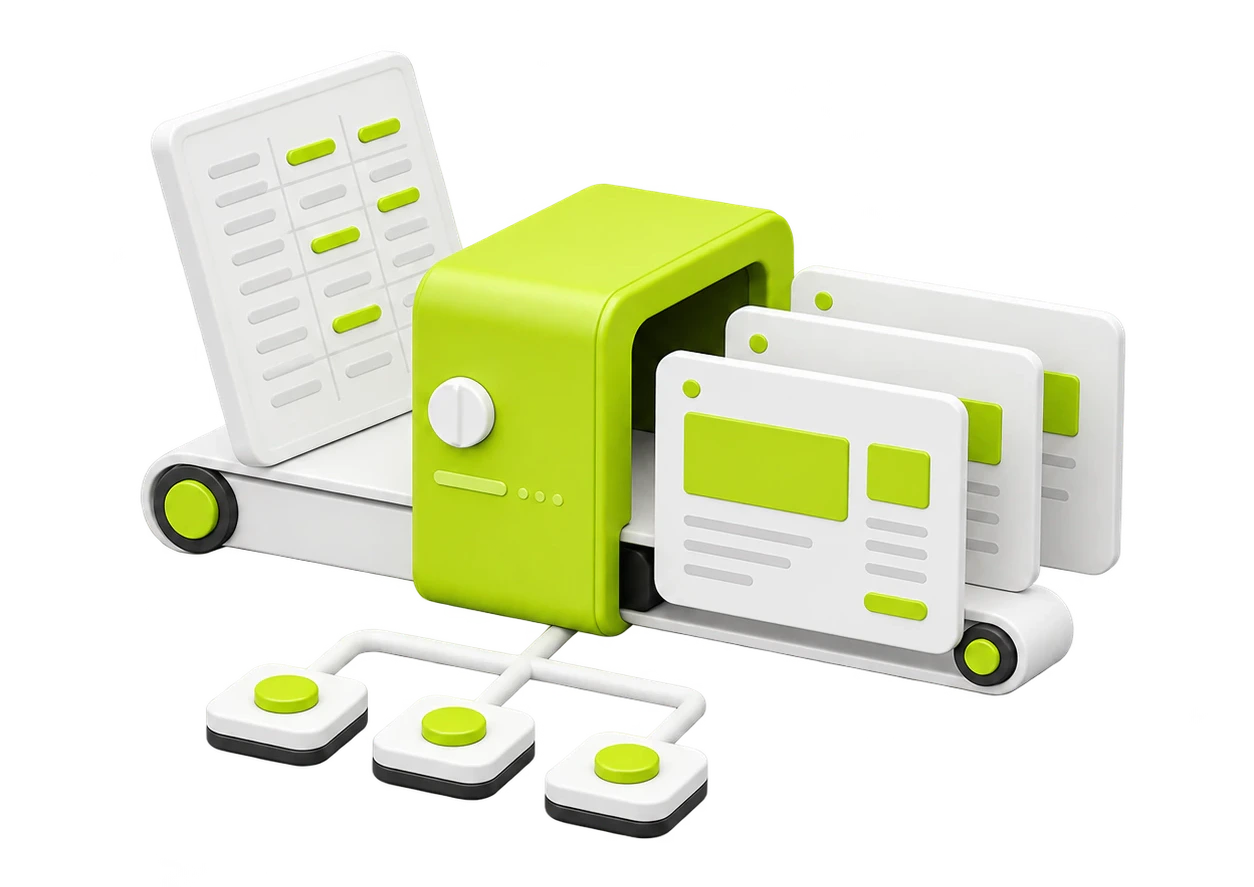
I begin with one complete page, the person it is for, the question it answers, and the information that makes it better than a generic summary. That might be live product data, a genuine comparison, a useful filter, a first-hand recommendation, or details that only your business can provide.
Once that page works for a reader, I separate the reusable structure from the record-specific content. Optional sections behave properly when data is missing, shared information lives in one place, and the page remains clear on mobile. The system grows from a proven page instead of a spreadsheet of URLs.
For the broader build context, see the Webflow developer overview, while the Airtable and Webflow integration page explains one way to manage the source data.
.svg)






























.jpg)